Get to Know Me: A Violinist’s Journey
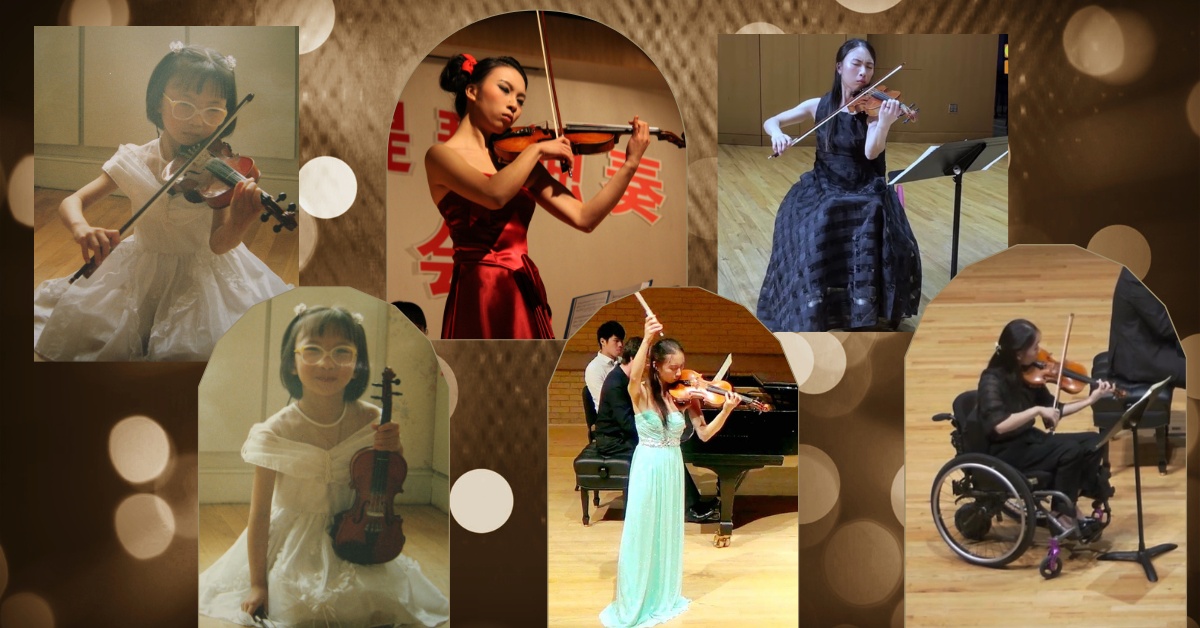
It All Begins Here. 4-year-old me, now 36, still doing the things I love. It gives me joy and purpose.
This is not a generic violinist journey. My entire life so far has been very atypical. Just as my medical conditions did, my musicianship has had many unexpected twists and turns.
This first piece focuses on events that occurred before my 2020 incident. I was just like another professional violinist. Meanwhile, it really relates to everything that happened afterward.
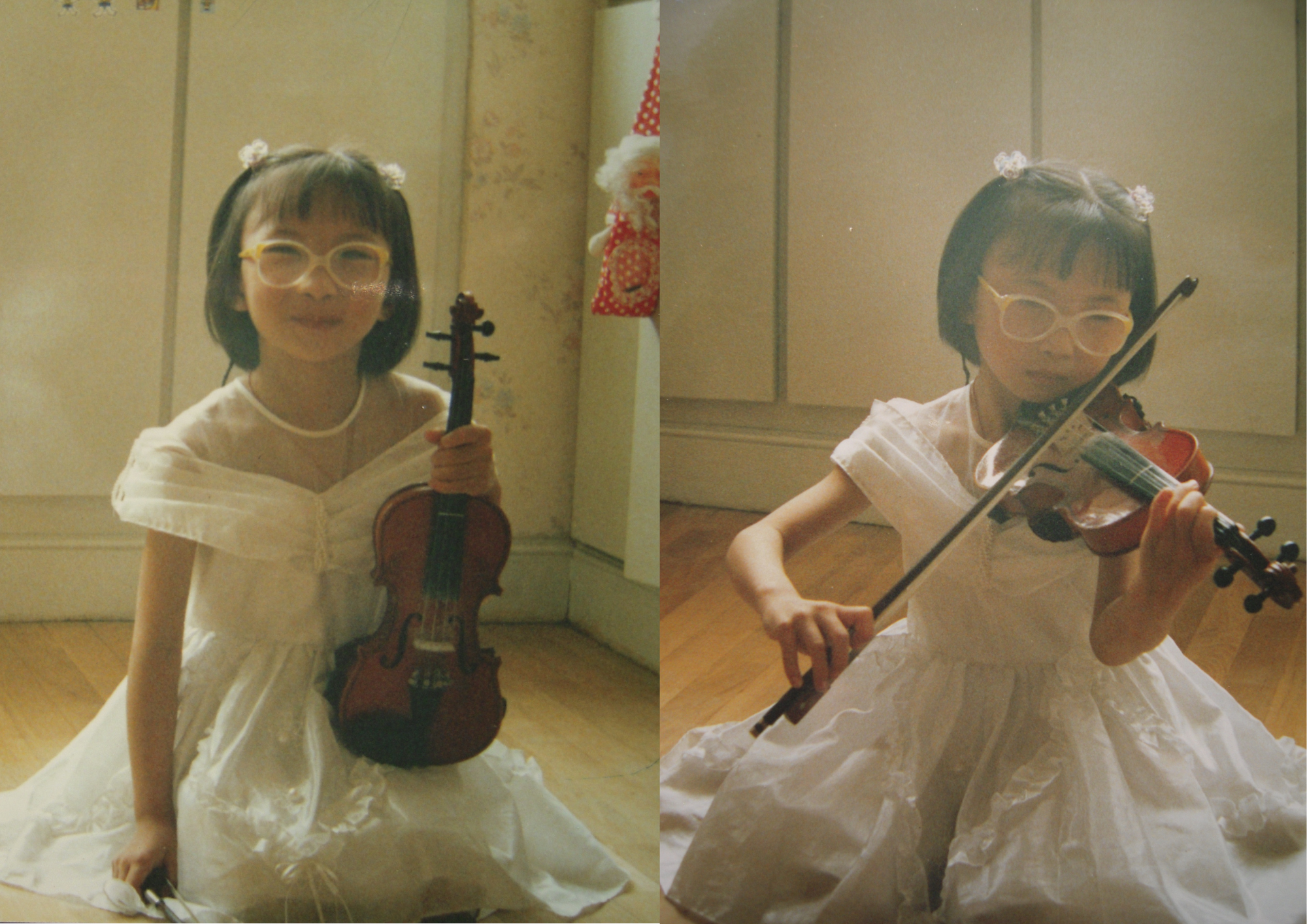
This is me at age 4. I now feel grateful to the violin for giving me the gift of discovering my amblyopia earlier. Thereafter, I wore thick glasses for years.
I started playing violin at three years old in Shanghai, and by the age of sixteen, my parents didn’t really consider me for a professional path. Around 14, I began to yearn for what life as a young conservatory student would be like.
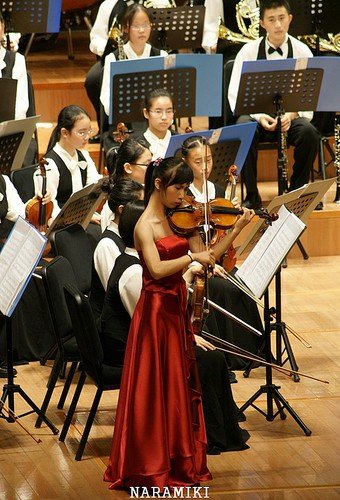
2009 at Shanghai Oriental Art Center | Tchaikovsky Violin Concerto.
Yet, my parents worry that it would be too early. So I continued in the traditional high school, fulfilling the entire curriculum. However, the timing was too perfect. The conversation I had changed the entire roadmap of my journey. Music was never a hobby after that decision. I will discuss this further in my future writing. I studied with the concertmaster of the Shanghai Opera House. That was when I really started serious training: focusing on fundamentals and building repertoires while gaining experience in the orchestras, which led to a debut with the Pudong Youth Orchestra performing Tchaikovsky's Violin Concerto at the Shanghai Oriental Art Center. Music was the thing I built my whole identity around for the next 20 years.
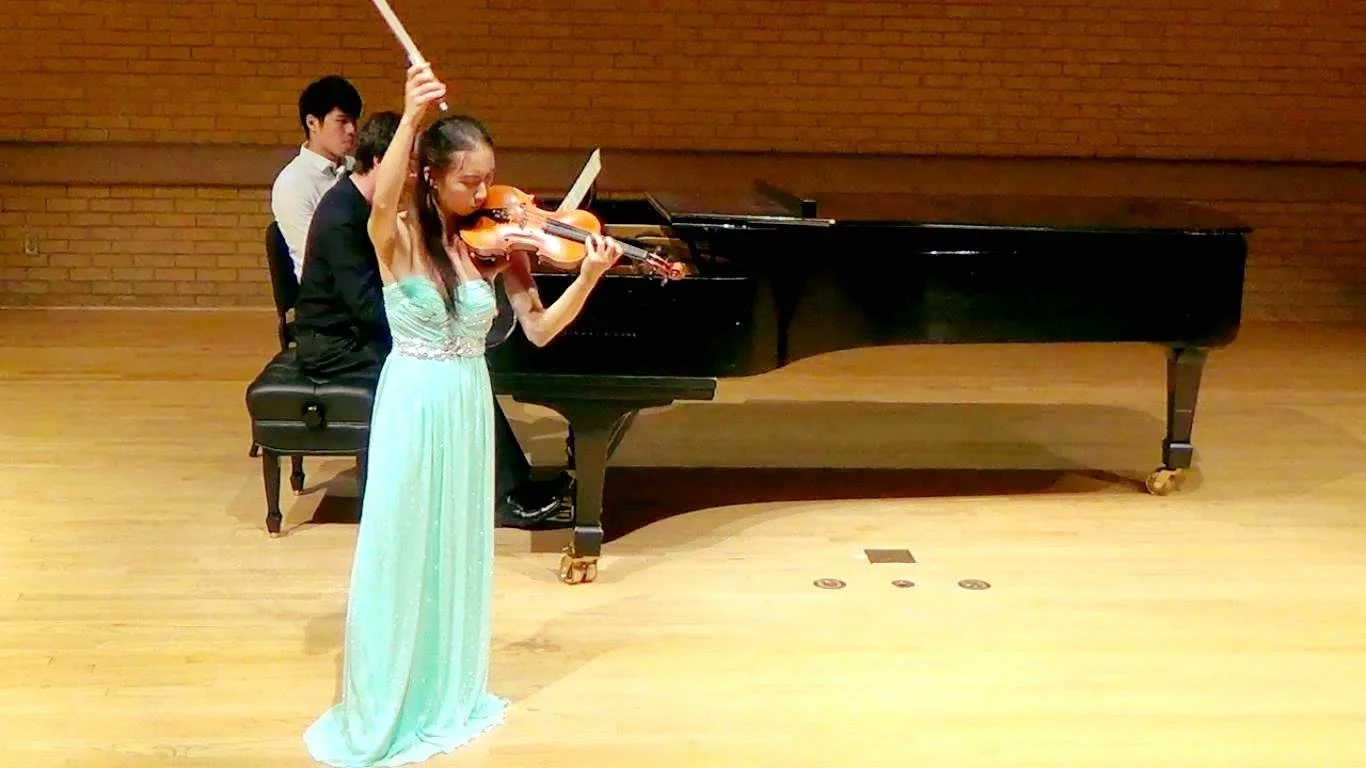
Dvorǎk Violin Concerto | DMA Recital | 2016
It created the path that led me to the U.S. at LSU and, now, to being a doctoral candidate in violin performance (with a related focus in instrumental conducting) at the University of North Texas, studying under Dr. Felix Olschofka and, now, Prof. Bushkova at the dissertation finishing line. Along the way, I've played repertoire ranging from Baroque to contemporary; performed with the Baroque Orchestra, the UNT Symphony, and the NOVA Ensemble; spent summers in Round Top, Brevard, and Aspen; and I had the opportunity to teach as a Violin Teaching Fellow at UNT for concentration and secondary students. I had the chance to teach in different school districts around the DFW area while also maintaining a private studio.
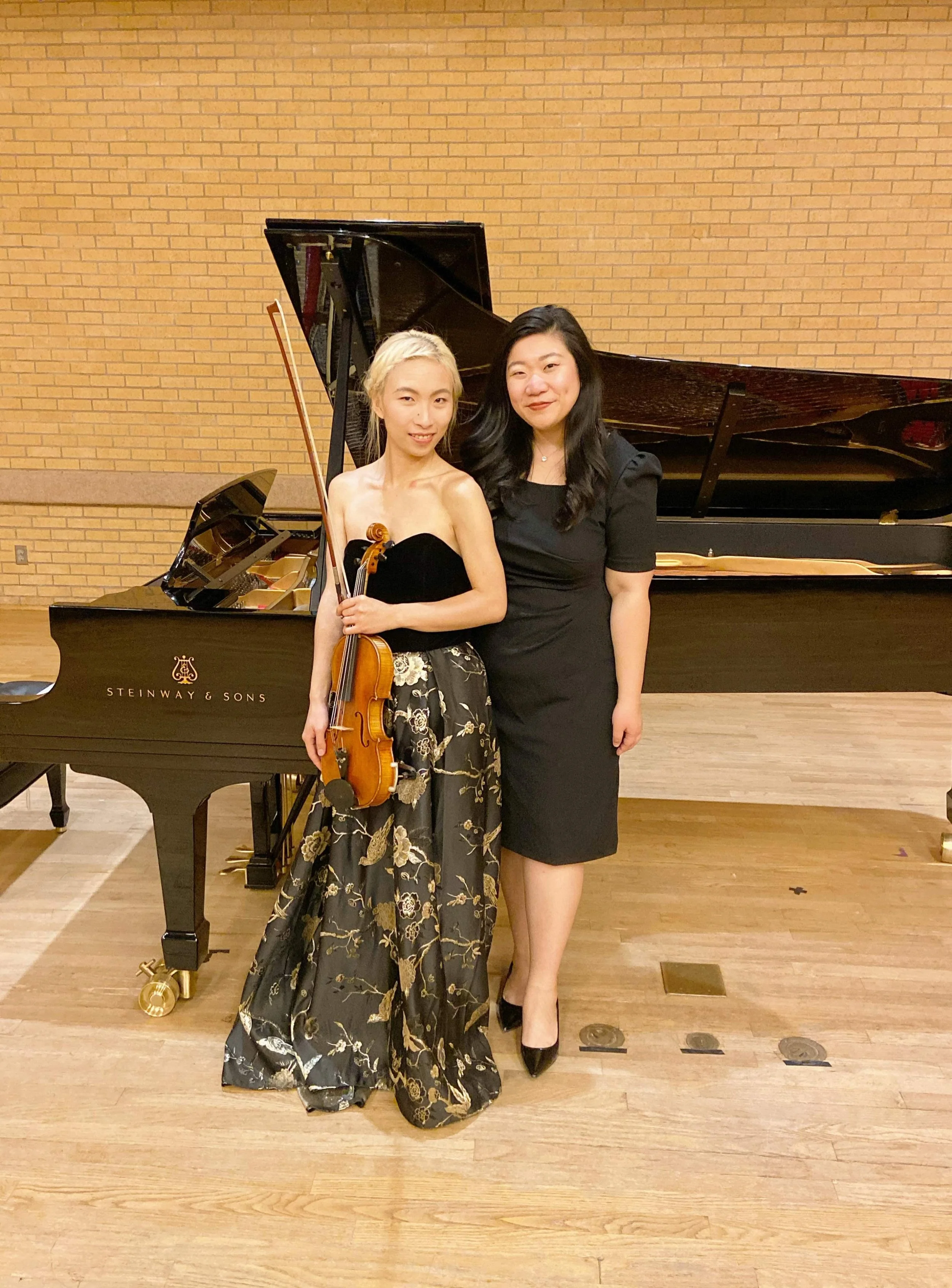
2019 | Bartok Violin Concerto | Non-Degree Recital
UNT was where I took my technique to a new level, especially my bow arm. My bow technique and teaching styles have developed rapidly over the last decade. My repertoire has also grown from the Elgar Violin Concerto to Shostakovich to Bartók. I really fell in love with new music and working with composers to develop music together; in the meantime, I learned extended techniques. I have also been playing with local symphony orchestras and have frequently traveled to perform with the Shreveport Symphony Orchestra, South Arkansas Symphony Orchestra, and Texarkana Symphony Orchestra. Just before my 2020 incident, I was a finalist for the Lewisville Concerto Competition while performing an entirely different repertoire for the Texas Young Artist Music Competition.
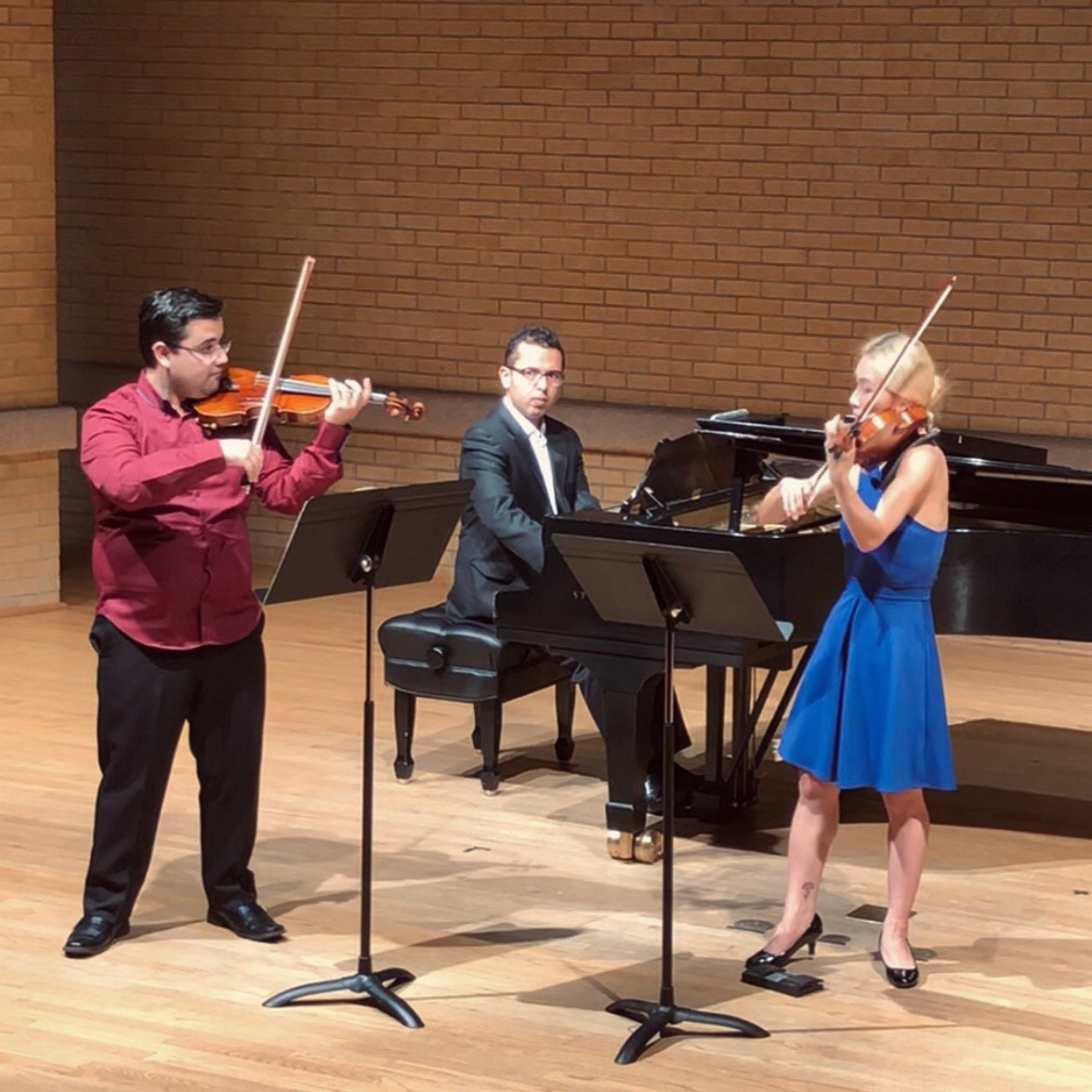
Collaboration with Friend’s Recital | Amitié by Eugène Ysaÿe
I enjoyed it a lot, especially the joy of performing with others and challenging myself through different solo repertoire. As a doctoral candidate, I was also teaching up to 20 students. My life right now is entirely different, even though I consider myself still performing. I had received misunderstandings from health providers just because they saw me “playing a difficult piece.”
While I am finishing my degree, my body started changing in ways I didn't yet have the language for. Over about two years, the cervical instability and tethered cord syndrome from Ehlers-Danlos Syndrome began taking my motor function from me step by step. I went from being someone who was completely independent, played for a living, and had a strong career outlook, to someone relearning how to move my bow on the string or to add enough weight to play double stops.
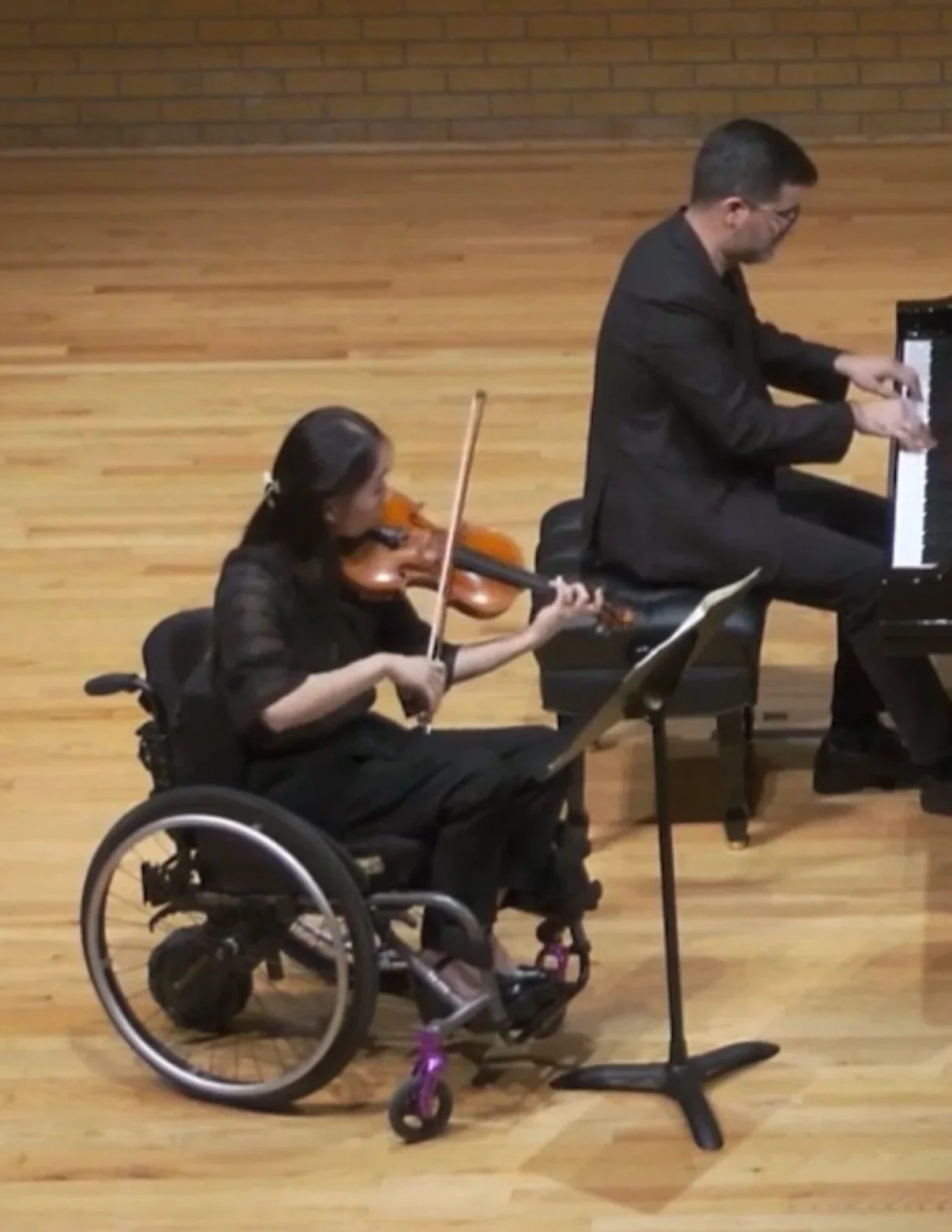
Dec 2022 progressed to C1 incomplete | Mozart Violin Sonata in B-flat Major
I'm not going to tell you that was a gift. It wasn't. But I did learn how to adapt—how to keep performing in orchestra and chamber settings with a mobility aid, with hands and arms that cannot move voluntarily. There was too much trauma in seeing my violin playing turned against me while trying to receive care, but I learned how to advocate for myself in medical spaces that are often not built to hear patients like me. I want to keep those detailed stories and share them one at a time, because some deserve their own chapter.
That's the work I do now. Publicly, I share what adapting looks like in my daily life. I am also writing my dissertation on the adaptive strategies I have developed over time. It's also why I founded the InclusiVibe Foundation, where I serve as founder, board chair, and executive director, building programs that bring healthcare, patient communities, and the arts into the same room. You can read more about that work at inclusivibe.org.
————
Meanwhile, thank you for reading this blog post. I had a full website built before, but now I have to start from scratch with a new one because of a previous mistake. I hope never to make the same mistake twice. It reminds me of my “Thrive x Strive Musician Podcast,” where I shared my thoughts on topics related to musicians' mental health, but later it transformed into “The Adaptive Musician Podcast.” As I finish my doctoral studies, I hope we will resume all the media channels. Therefore, the blog is also a place for raw, authentic Amy to share her struggles, lessons, and wins, as well as for conversations with others who add their individual insights.