CREATIVITY
EXPERTISE
Amy’s Violin Studio
Violin teaching grounded in artistry, sustainability, and inclusive musicianship.
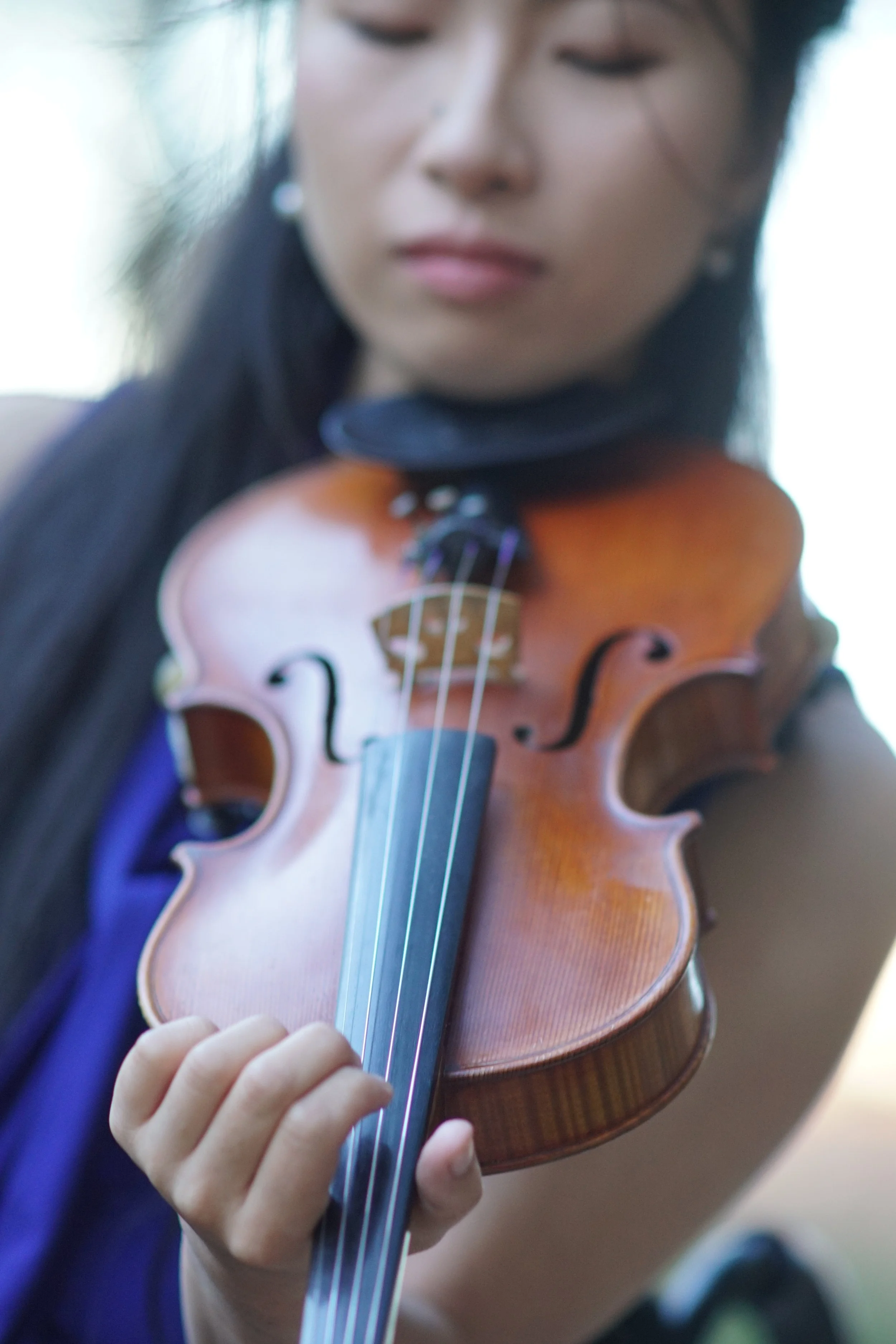
Drawing from years of performance, pedagogy, and lived experience adapting technique through disability, Amy helps students develop approaches to playing that are expressive, efficient, and responsive to the needs of their own bodies.
INTRODUCTION
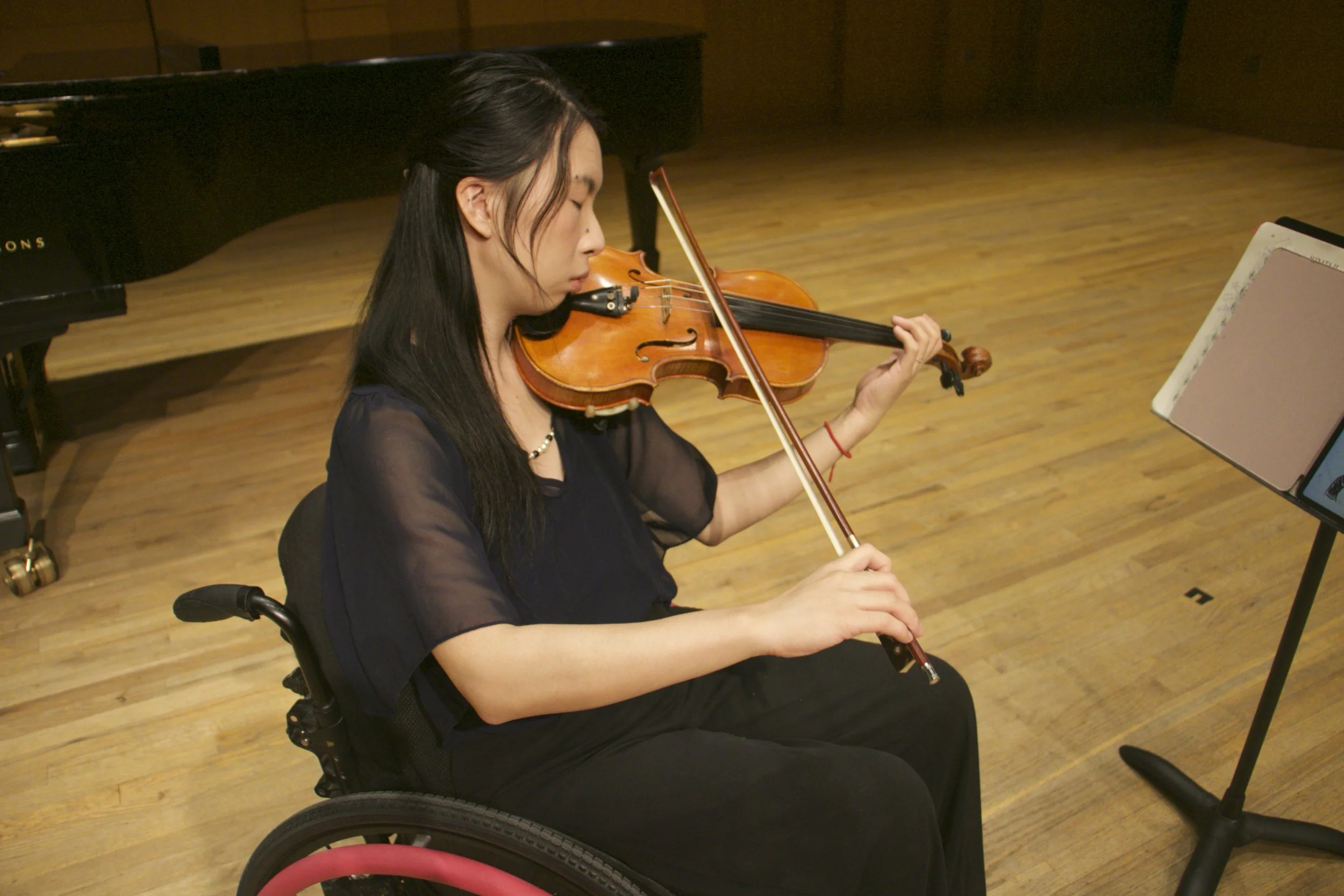
Amy Wang-Hiller teaches violin through a combination of performance experience, careful technical work, and a commitment to helping students find approaches that are both musically expressive and physically sustainable. Her teaching is shaped by years of study, orchestral and chamber performance, and a lived understanding that no two musicians learn, move, or play in exactly the same way.
Teaching Philosophy
❋
Amy believes that technique should create freedom, not unnecessary strain. Rather than forcing every student into a single model, she works to understand how each individual learns, listens, and moves, building a technical approach that supports both artistry and sustainability.
Her teaching emphasizes clarity of motion, body awareness, efficient use of effort, and thoughtful problem-solving. For some students, this means strengthening fundamentals; for others, it may also mean rethinking setup, bow techniques, pacing, or practice habits in more adaptive ways.
-
Individualized Technique
Every student brings a different body, background, and learning process. Amy teaches with close attention to what each player actually needs, building technique in a way that supports both expression and long-term growth.
-
Deliberate Practice
Practice should be thoughtful, efficient, and clear. Amy helps students develop problem-solving skills, listen more deeply, and practice with intention rather than repetition without purpose.
-
Body Awareness
Healthy playing begins with awareness. Lessons encourage students to notice tension, effort, breathing, coordination, and how their own body responds, so technique can become more sustainable, responsive, and adaptable over time.
-
Active Listening
Listening is treated as a core part of musicianship, not an afterthought. Students learn to listen closely to sound, phrasing, harmony, and ensemble, and to use that awareness to guide technical choices and musical decisions.
Student Testimony:
LET’S GET STARTED